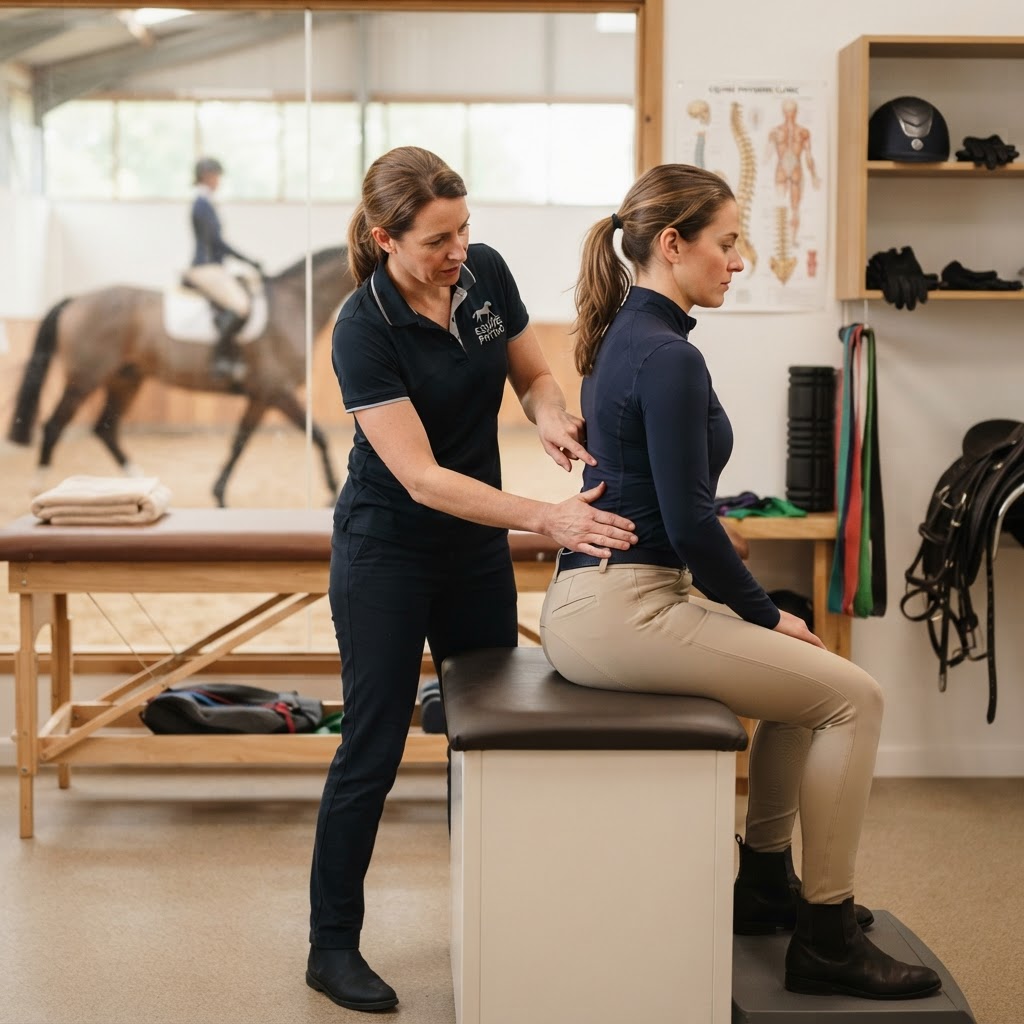
Discover effective strategies to reduce lower back pain and improve your posture in the saddle.
The Importance of Pelvic Mobility
A stiff pelvis often leads to excessive movement in the lower back as the rider tries to follow the horse. By focusing on gentle pelvic tilts and rotation exercises, you can encourage a more fluid movement that reduces unnecessary strain on your lumbar spine.
Core Stability for a Quiet Seat
Core stability does not mean tightening your stomach muscles continuously. It involves finding a balanced engagement that allows you to remain steady while your limbs move independently to communicate with the horse.
Specific exercises like the dead bug or modified plank can help create the support your spine needs during long training sessions.
Developing Glute Strength
The gluteal muscles provide the foundation for a stable seat and protect the lower back from absorbing too much shock. Strengthening these muscles through controlled squats or bridges helps you maintain your position without relying on your lower back muscles for support.
Monitoring Your Training Load
Sudden increases in riding time or intensity are common causes of back pain. Keep a diary of your riding sessions to ensure you are progressing gradually and providing your muscles enough time to adapt to new demands.
Professional Assessment
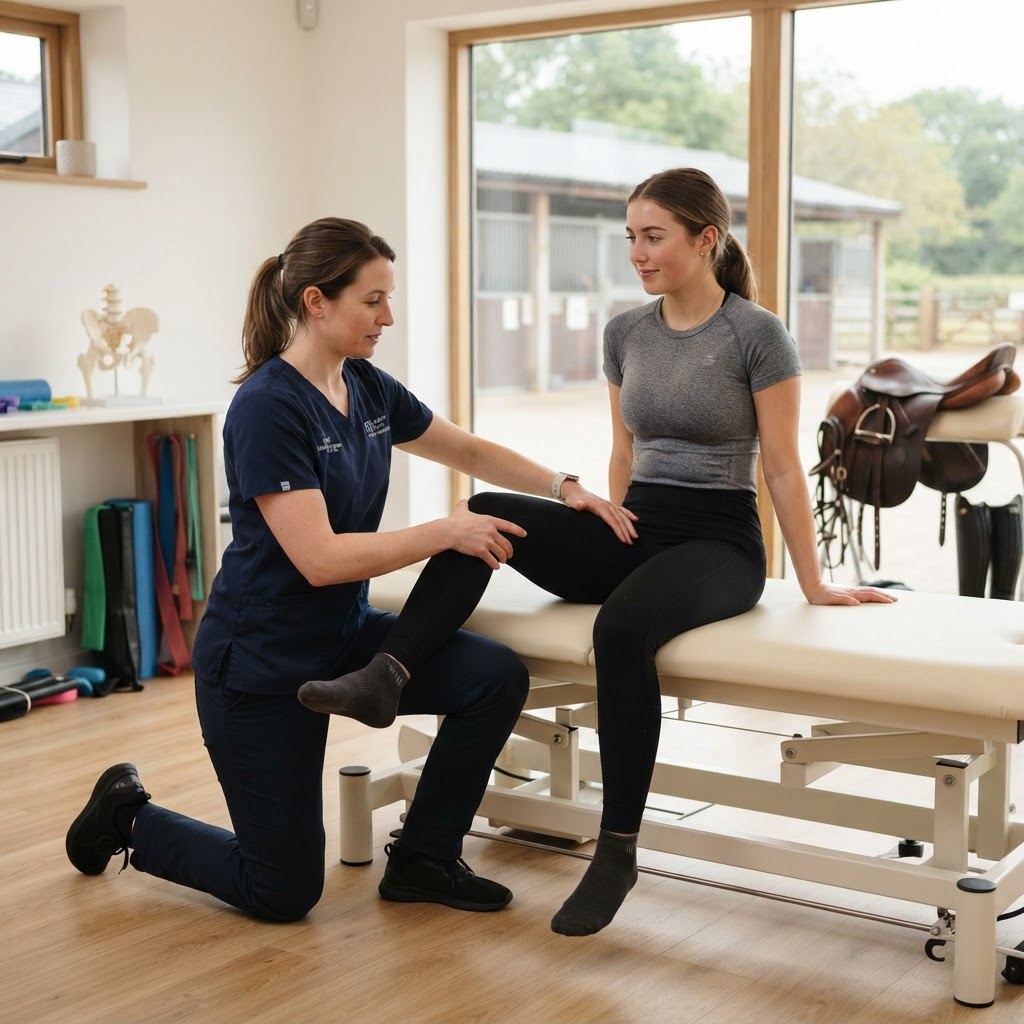
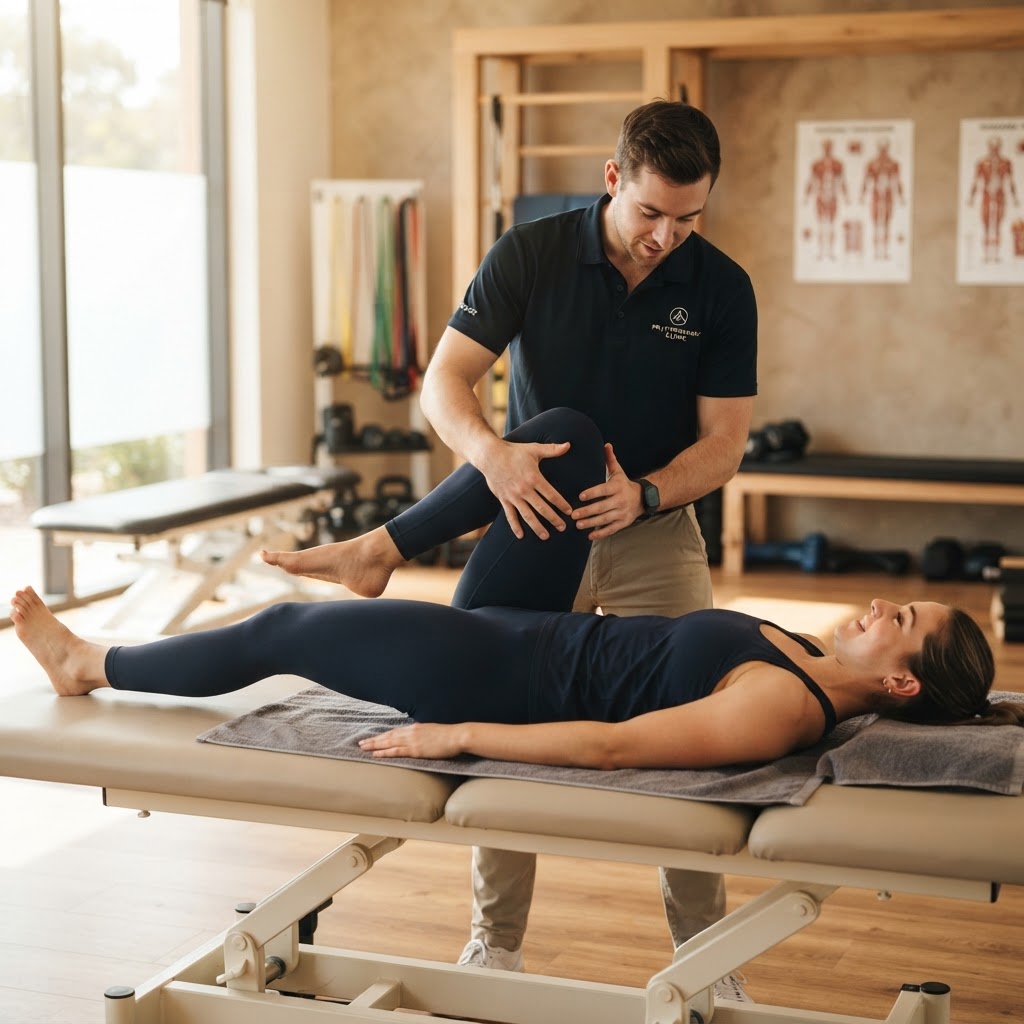
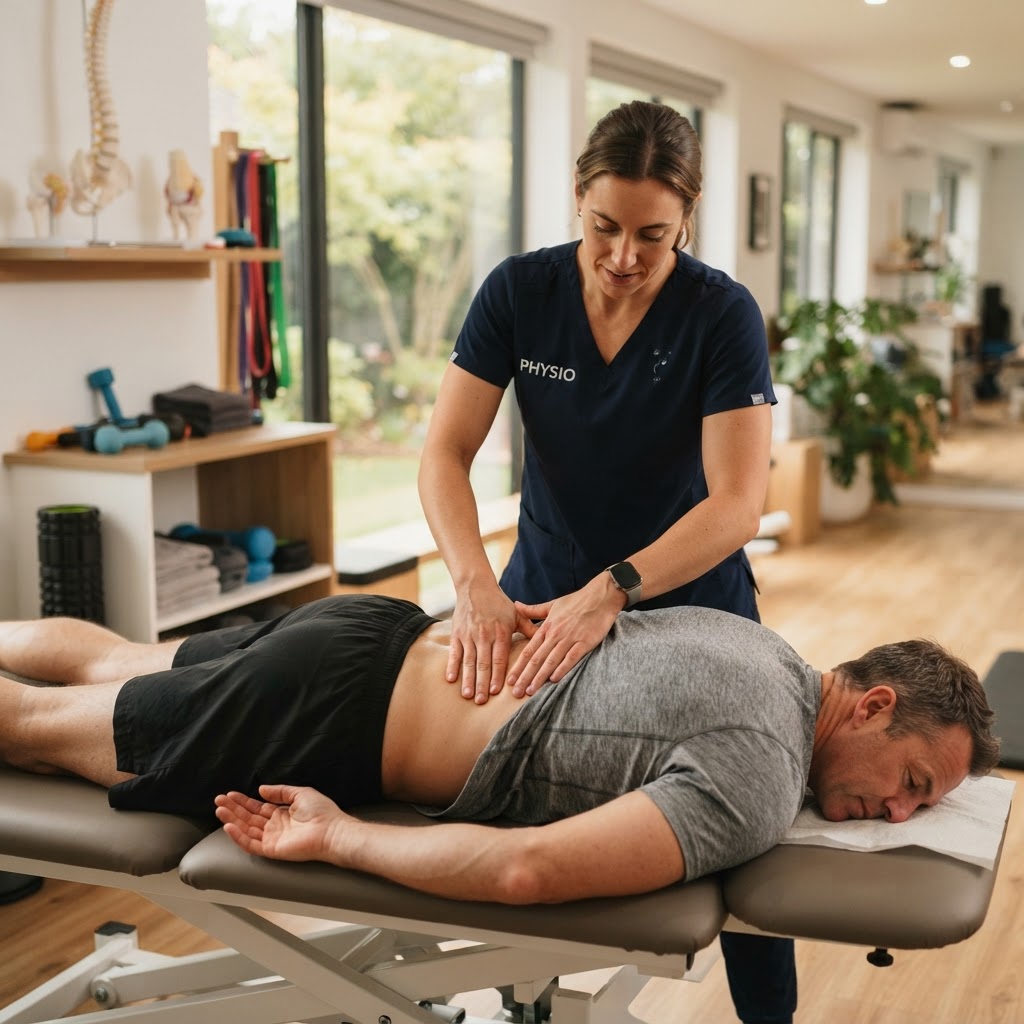
If pain persists, a clinical assessment can determine if your discomfort stems from muscle imbalances, saddle fit, or technique errors. Early intervention often prevents long term issues and keeps you comfortably in the saddle.
FAQs
Quick Questions
Need Help With This?
Book an assessment with Emily and get a plan built around you and your sport.
Book Assessment