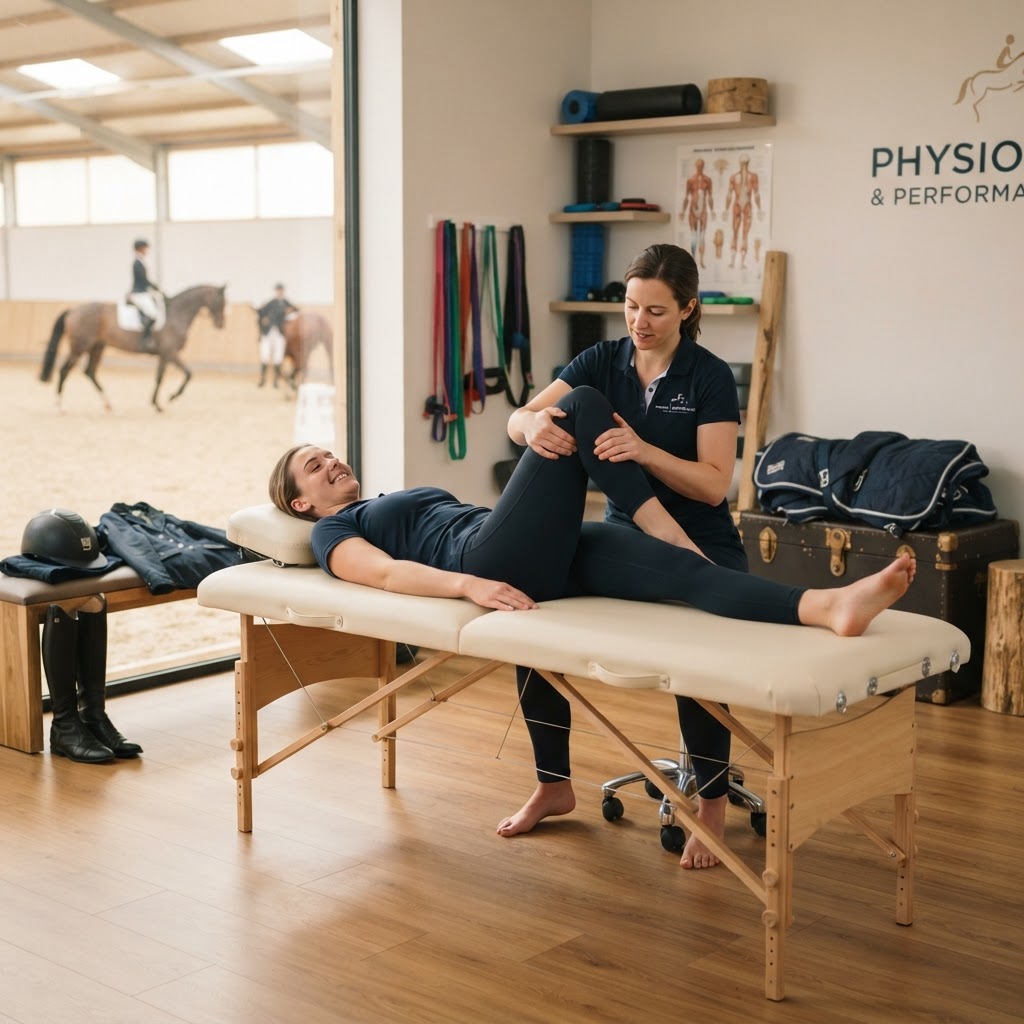
Discover how targeted mobility work can improve your riding seat and reduce discomfort in the saddle. Learn simple strategies to unlock your hips for better performance.
Understanding the Role of Your Hips in the Saddle
Your hips serve as the primary connection point between you and your horse. When hip joints are stiff or restricted, your body compensates by moving through the lower back, which often leads to discomfort or a lack of stability in the saddle.
Identifying Common Signs of Restriction
Many riders struggle with a tight seat or an inability to follow the movement of the horse. If you notice persistent aching after long training sessions or feel limited when trying to maintain a balanced position, your hip mobility is likely the limiting factor.
Simple Strategies to Improve Daily Function
Focusing on controlled dynamic movements rather than static holding is the most effective approach. Gentle lunging patterns and active hip rotations help to restore natural range of motion without overstretching tissues that need to remain supportive during your ride.
Building Strength Through Your Full Range
Mobility is useless without the strength to control it. Once you have improved your range, integrate exercises that challenge your muscles at the end of their reach, such as supported split squats or controlled lateral movements, to ensure stability while riding.
When to Seek Professional Guidance
If you experience sharp pain or mechanical blocking sensations, it is time to consult a physiotherapist. We can conduct a movement assessment to distinguish between simple stiffness and underlying joint issues, ensuring your training remains safe and effective.
FAQs
Quick Questions
Need Help With This?
Book an assessment with Emily and get a plan built around you and your sport.
Book Assessment