Effective Management of Lower Back Pain for Equestrian Riders
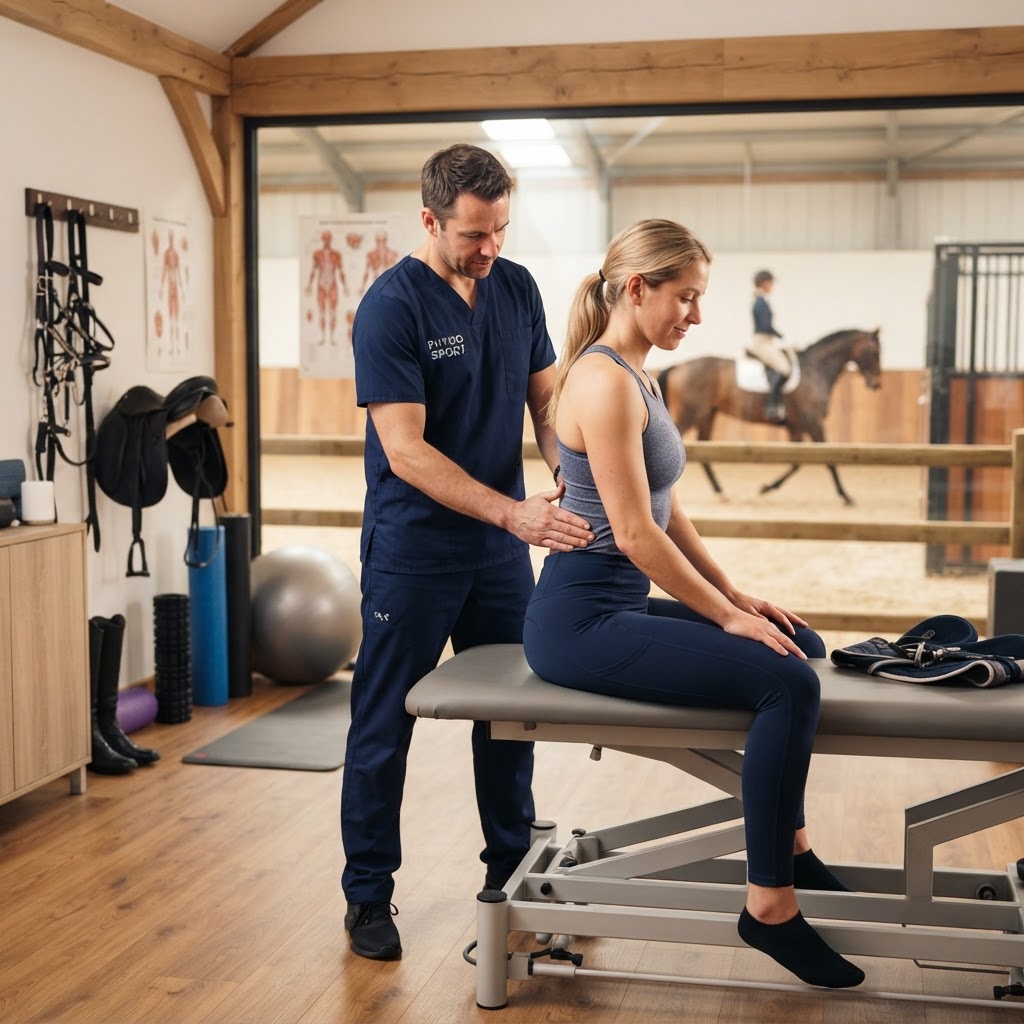
Learn how to address and prevent lower back pain to improve your stability and comfort in the saddle.
Understanding Your Riding Posture
Many riders experience lower back pain due to excessive tension or poor alignment while in the saddle. By focusing on a neutral spine position, you allow your core muscles to support your body naturally. This shift helps reduce the strain placed on your lumbar discs and surrounding ligaments during longer training sessions.
Core Stability Beyond The Gym
Effective core support for riding is about endurance rather than raw strength. Incorporate gentle pelvic tilts and isometric holds into your daily routine to train your muscles to remain engaged during movement. Consistent practice ensures your core remains a stable foundation while your limbs move independently with the horse.
The Role of Hip Mobility
Tight hip flexors often pull the pelvis forward and force the lower back to arch excessively. Regular gentle stretching and mobilising your hip joints can alleviate this pull and create a more fluid seat. Improved hip range of motion is essential for following the movement of your horse without compensation.
Recovery and Movement Quality
Recovery is just as important as your time spent training. Prioritise active rest days and focus on exercises that promote spinal decompression after a ride. Listening to your body signals prevents minor discomfort from developing into long term issues that limit your time in the saddle.
FAQs
Quick Questions
Need Help With This?
Book an assessment with Emily and get a plan built around you and your sport.
Book Assessment