Mastering Saddle Stability and Back Health for Equestrian Riders
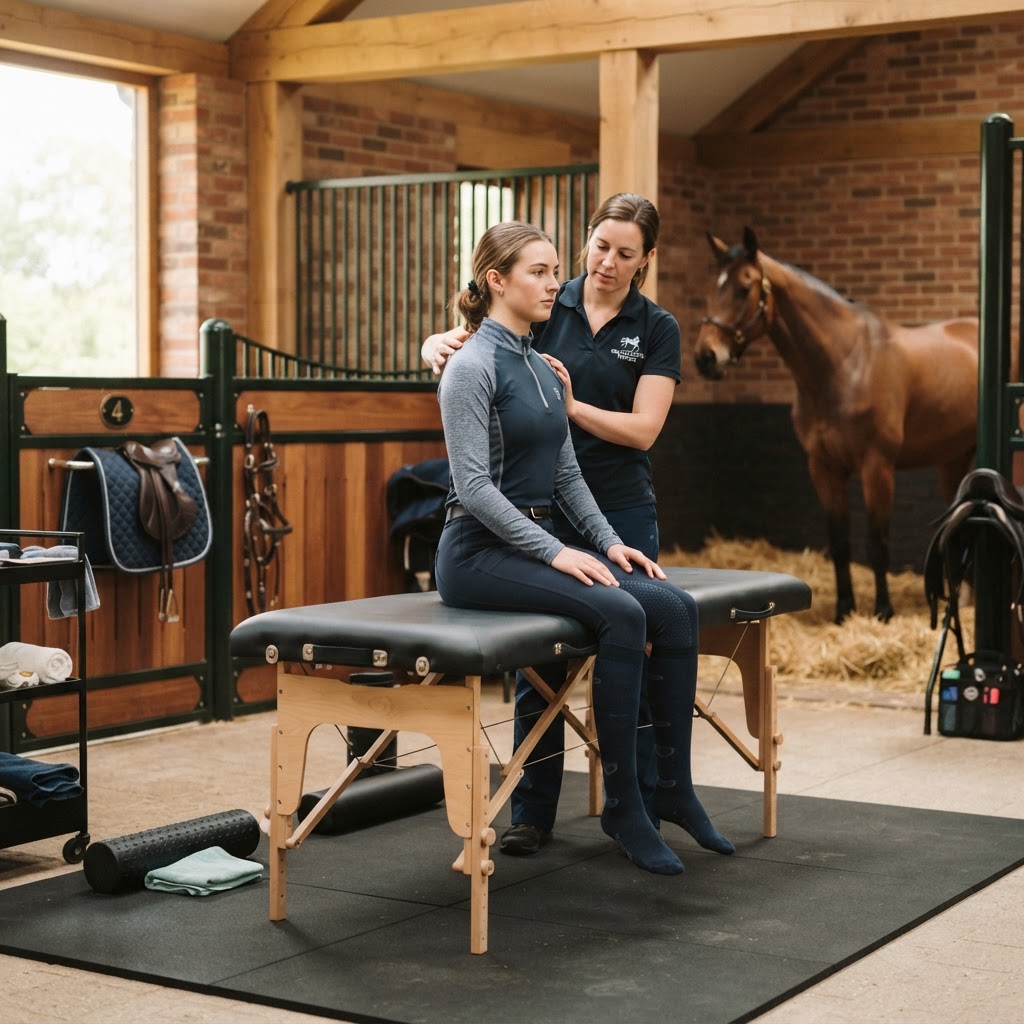
Learn how to improve your core control and pelvic alignment to reduce rider discomfort and enhance communication with your horse.
Understanding the Rider Foundation
Your pelvis acts as the primary point of communication between you and your horse. When your pelvic alignment is off, your lower back compensates for the imbalance, which often leads to persistent soreness during or after a long ride.
To achieve a balanced seat, focus on finding a neutral spine position where your weight is evenly distributed through your seat bones. This simple adjustment reduces the pressure on your lumbar discs and allows for smoother movement with the horse.
Developing Dynamic Core Control
Many riders mistake a rigid core for a strong one. However, effective riding requires dynamic stability that allows you to absorb the motion of the horse without losing your own alignment.
Incorporate slow and controlled exercises that challenge your balance while on the ground. Think about breathing into your lower ribs rather than bracing your stomach, as this keeps your trunk flexible and responsive.
Hip Mobility for Better Leg Aids
Tight hip flexors are a common issue for athletes who spend time in the saddle. These muscles, when shortened, pull the pelvis forward and contribute significantly to lower back discomfort.
Prioritize gentle mobility movements that open the front of the hips before you mount. By increasing your range of motion, you can maintain a longer and more effective leg position without feeling restricted or tight.
The Importance of Regular Recovery
Riding is a physically demanding sport that requires endurance and precise motor control. Just like runners or footballers, riders need consistent recovery strategies to prevent fatigue induced postural collapse.
Listen to your body signals carefully. If you notice recurring stiffness after training sessions, adjust your volume or focus on targeted mobility work to ensure your muscles recover fully before the next ride.
FAQs
Quick Questions
Need Help With This?
Book an assessment with Emily and get a plan built around you and your sport.
Book Assessment