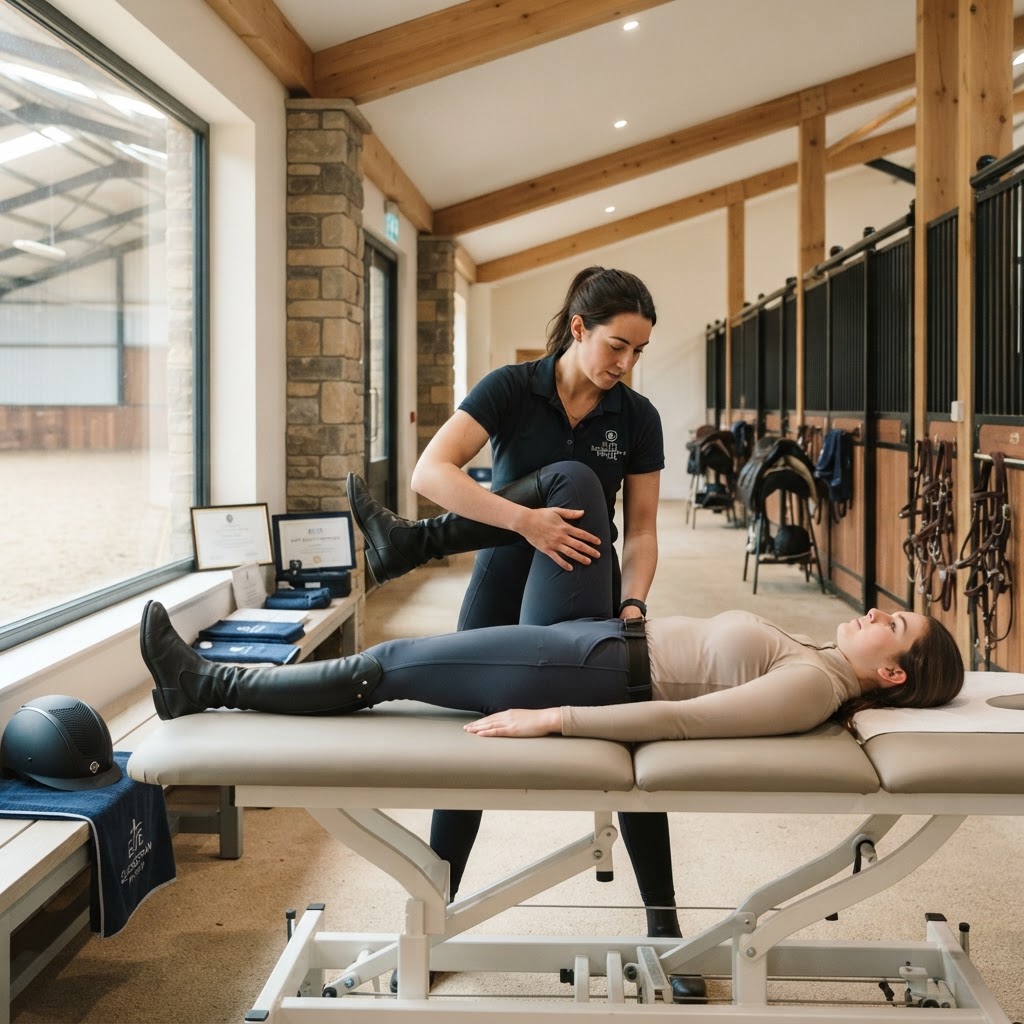
Discover how targeted hip mobility exercises improve your riding posture and comfort in the saddle. Achieve a more harmonious connection with your horse.
Understanding the Rider Hip
The hip joint acts as the primary contact point between the rider and the horse. When your hips are stiff or restricted, your body compensates by tilting the pelvis or rounding the spine. This creates a disconnect that prevents your horse from feeling subtle seat cues.
Recognising Signs of Restriction
If you struggle to maintain a deep seat or feel like your legs are gripping the saddle too tightly, your hip flexors may be overworked. Tightness in these muscles often leads to a hollowed back and increased tension during transitions. Recognizing these movement limitations early helps prevent long term discomfort.
The Importance of Dynamic Mobility
Static stretching is often insufficient for the demands of equestrian sports. Instead, focus on dynamic mobility exercises that mimic the fluid motion of a horse at the walk or trot. Incorporating lateral hip openers ensures that you can remain supple and responsive in the saddle without sacrificing stability.
Practical Exercises for Daily Practice
Start by performing gentle hip circles and lunges before you mount your horse. These movements encourage synovial fluid to lubricate the joint and signal your nervous system that you are ready for activity. Consistent practice before every ride creates a foundation for longevity in the sport.
Professional Assessment for Riders
Every rider has a unique biomechanical profile based on their anatomy and riding discipline. A professional physiotherapy assessment can identify specific muscle imbalances that limit your range of motion. We tailor movement plans to address your individual needs so you can ride with ease.
FAQs
Quick Questions
Need Help With This?
Book an assessment with Emily and get a plan built around you and your sport.
Book Assessment