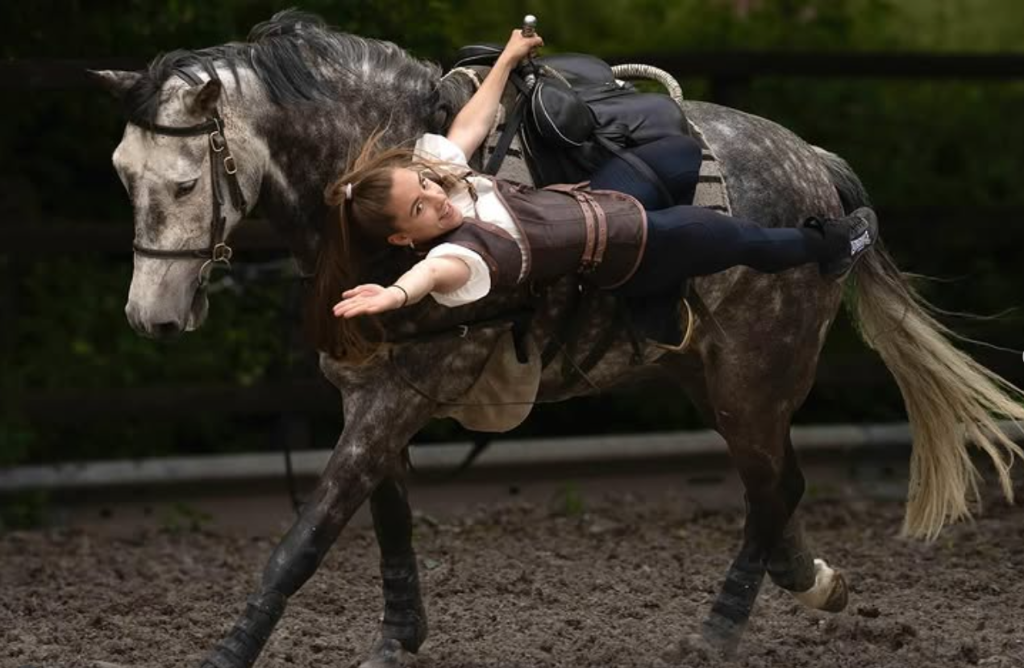
Discover effective clinical strategies to protect your spine and improve your seat. Learn how targeted movement helps equestrian athletes stay pain free in the saddle.
Understanding the Demands of the Saddle
Riding requires a unique combination of stability and mobility. Your lower back acts as the primary link between your upper body and your horse, absorbing constant movement. When your muscles fatigue or your posture falters, your spine takes the impact which leads to discomfort and reduced performance.
Developing Functional Core Stability
A strong core is not just about abdominal strength. It involves the deep muscles that support your spine while you remain fluid in the saddle. Focus on isometric exercises that mimic the upright posture needed for riding to ensure you remain stable during transition phases and lateral movements.
Improving Pelvic and Hip Mobility
Stiffness in the hips is a leading contributor to lower back pain. If your hips are restricted, your lower back must compensate by overextending to follow the motion of the horse. Gentle hip flexor stretches and pelvic tilts help maintain the range of motion required for an independent seat.
The Importance of Postural Awareness
Many riders unknowingly collapse through the lumbar spine or hold excessive tension in their shoulders. Bringing awareness to your alignment while mounted can prevent long term strain. Aim to keep your ears, shoulders, hips, and heels in a vertical line to evenly distribute your weight.
Integrating Recovery into Your Routine
Recovery is as essential as your time in the arena. Incorporate low impact movement on days off to keep your muscles supple and prevent stiffness from setting in. Consistent, controlled activity ensures your body is prepared for the specific physical load that riding creates.
FAQs
Quick Questions
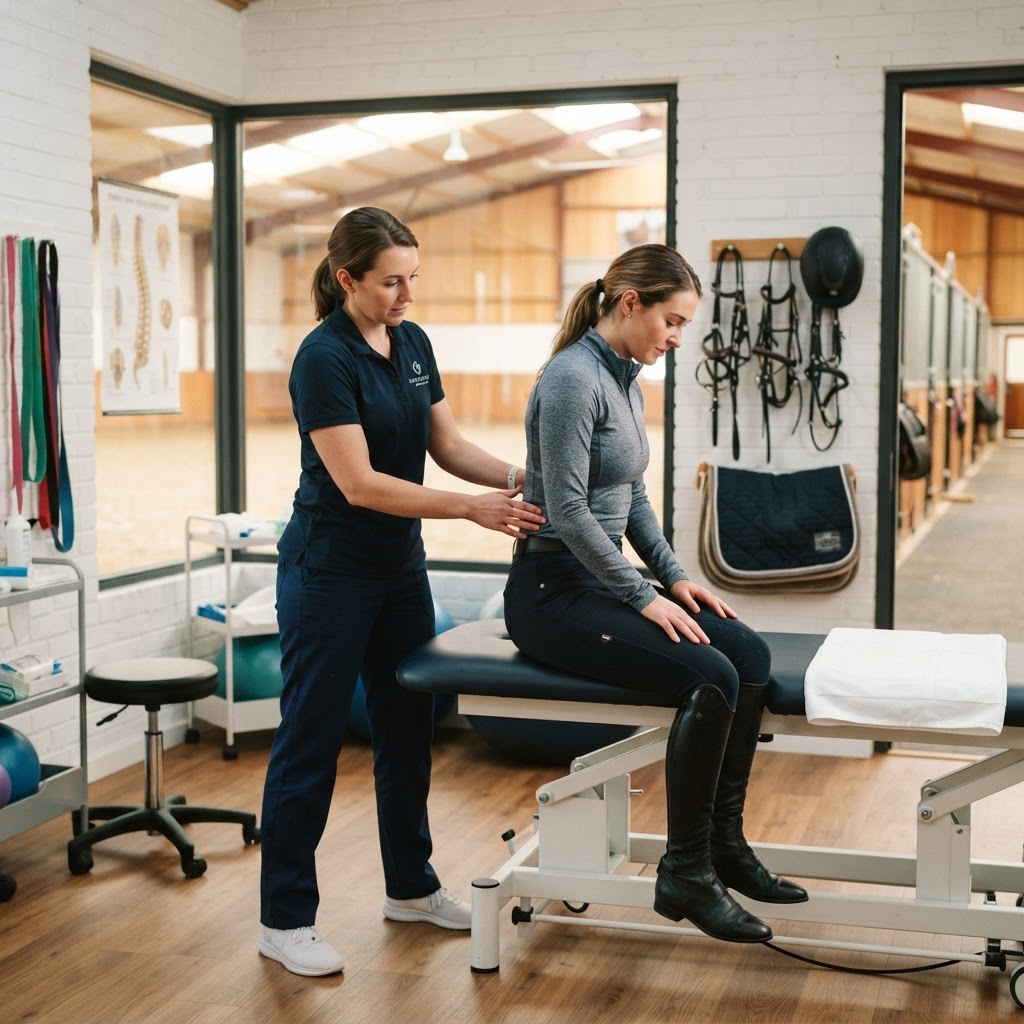
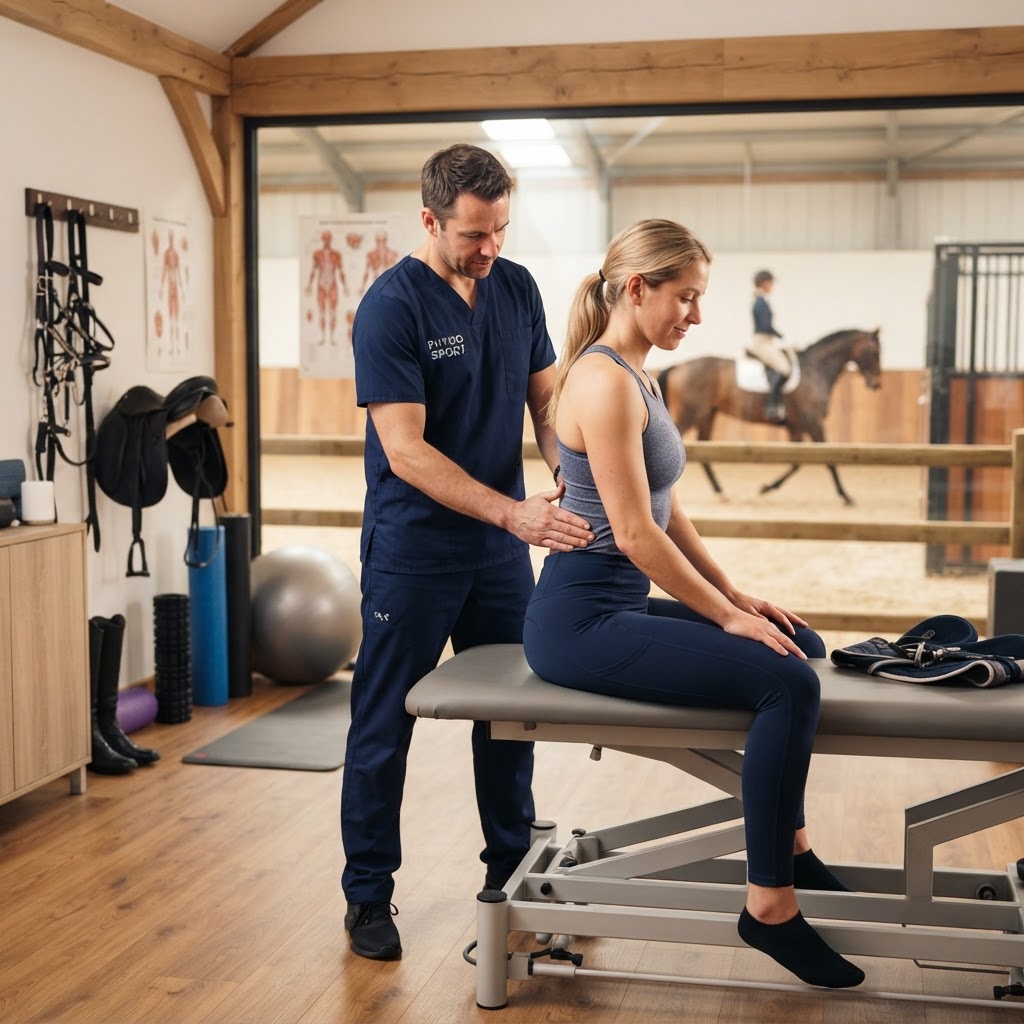
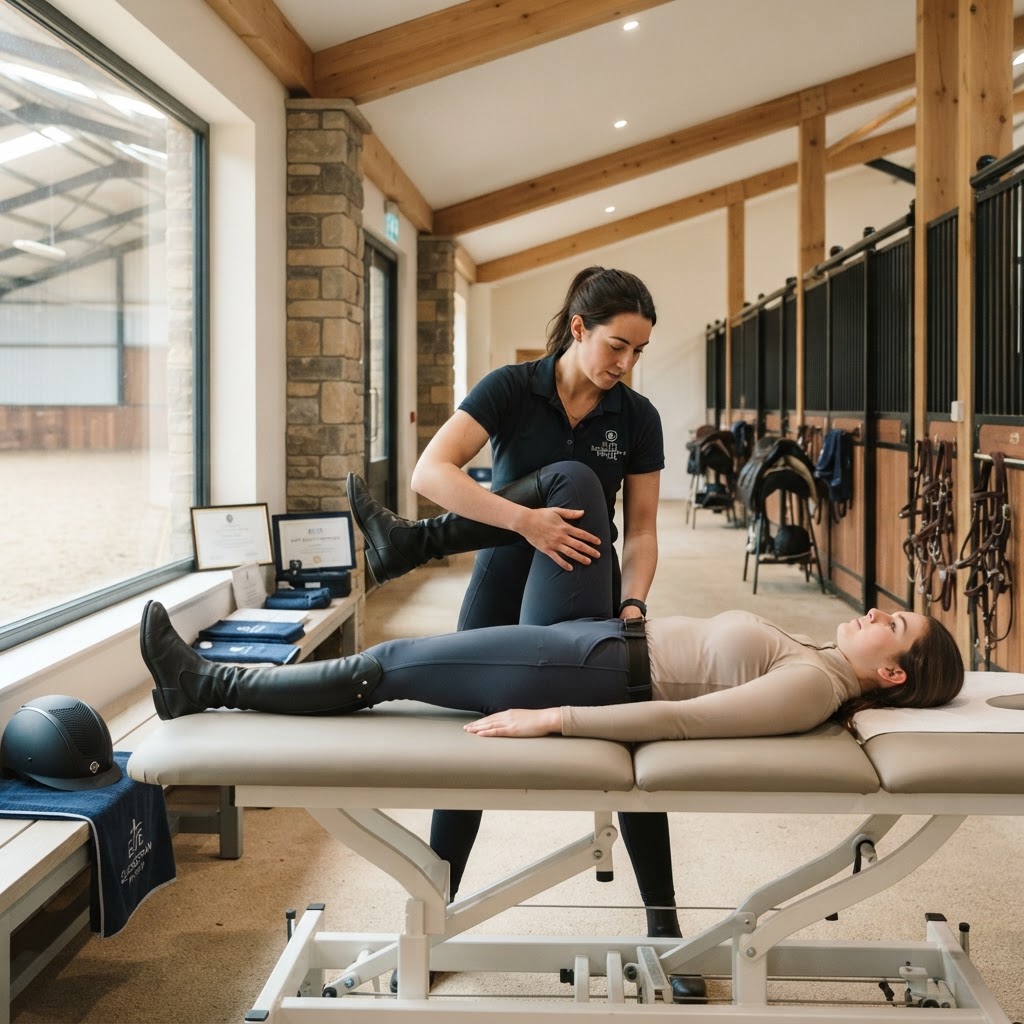
Need Help With This?
Book an assessment with Emily and get a plan built around you and your sport.
Book Assessment