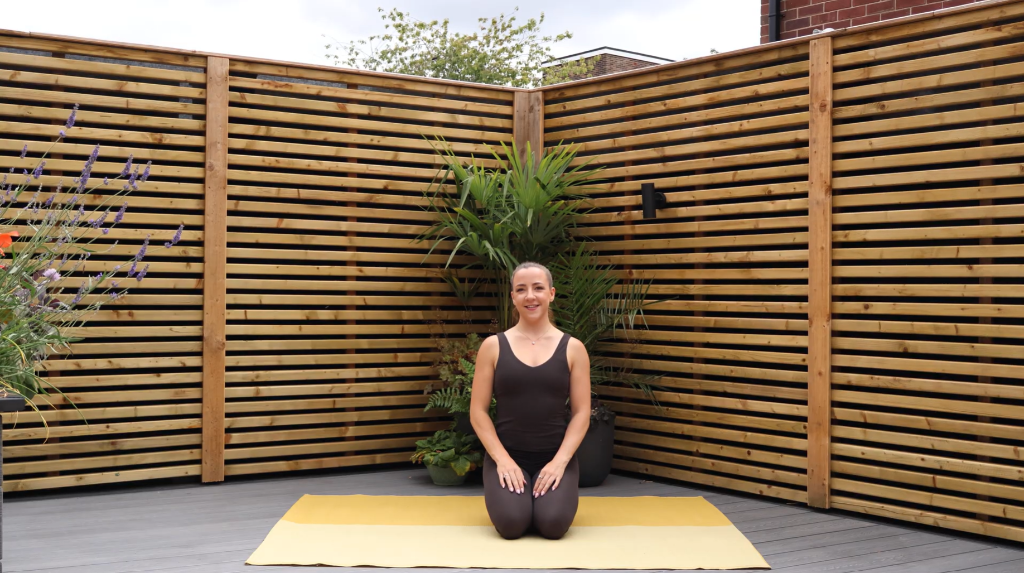
Sleep is the cheapest, most powerful recovery tool you have. How to use it properly.
Why sleep is your best recovery tool
No supplement, ice bath or massage comes close to what sleep does for recovery. It is when your body repairs tissue, balances hormones and consolidates the learning from training.
Athletes who sleep less get injured more, recover slower and perform worse. It is the foundation everything else builds on.
What happens when you sleep
Deep sleep releases growth hormone, which drives tissue repair. REM sleep consolidates motor learning, so the skills you practiced stick. Skip either and you shortchange your adaptation.
Cut sleep short and your reaction time, mood and pain tolerance all drop. That is a recipe for injury, not progress.
How much athletes need
Most adults need seven to nine hours. Athletes in heavy training often need more, closer to nine or ten, because the body is doing extra repair work.
If you wake without an alarm and feel rested, you are probably getting enough. If you need caffeine to function, you are not.
How to improve it
Keep a consistent wake time, even on weekends. Get morning daylight, limit screens an hour before bed, and keep the room cool and dark. Avoid heavy meals and alcohol late.
Treat sleep like a training session. It is not downtime, it is when the work pays off.
When poor sleep signals something else
If you sleep enough but still wake exhausted, or pain wakes you in the night, get it checked. Pain, stress and undiagnosed sleep issues all steal the recovery sleep should give.
FAQs
Quick Questions
Need Help With This?
Book an assessment with Emily and get a plan built around you and your sport.
Book Assessment